Competitive gaming continues to grow in Southeast Asia, with thousands of Malaysian players participating in ranked matches, tournaments, and professional leagues every month. Esports in Malaysia offers accessible entry points for both beginners and experienced players, covering PC games such as Dota 2 and League of Legends, console games like FIFA and Street Fighter, as well as mobile hits including Mobile Legends: Bang Bang and PUBG Mobile. Alongside this, the esports betting market is actively expanding, with leading platforms like DK88 offering fans a wide selection of events, high odds, and convenient conditions for tournament match predictions. This guide will walk you through platform selection, gear setup, skill development, and community engagement to help you start your competitive journey.
How to Start Playing Esports in Malaysia
Entering the e-sport scene in Malaysia requires three foundational decisions: selecting a competitive title that matches your preferred genre and platform, understanding basic tournament structures, and committing to regular practice schedules. Malaysian players benefit from low-latency servers hosted in Singapore and Kuala Lumpur, ensuring stable connections for most major titles.
Begin by identifying whether you prefer team-based strategy games, fighting games, or battle royale formats. Most Malaysian e-sport communities organize beginner-friendly scrimmages and coaching sessions through Discord servers and Facebook groups.
Registration on platforms like Garena, Steam, or console networks takes 5-10 minutes. Verify your email, link a mobile number for account security, and review regional content ratings—many competitive titles carry 16+ or 18+ age recommendations.
Choosing the Right Esports Game
Malaysia’s e-sport landscape features diverse genres with active local player bases. Mobile Legends: Bang Bang consistently leads mobile e sport Malaysia tournaments, supported by official MPL MY leagues. Dota 2 and League of Legends dominate the PC MOBA segment, hosting regional qualifiers for international events. Fighting game enthusiasts compete in Street Fighter 6, Tekken 8, and Guilty Gear Strive at local arcades and online brackets.
Evaluate each game’s learning curve and time investment. MOBA titles require 100+ hours to grasp hero pools, item builds, and map rotations. First-person shooters like Valorant and Counter-Strike 2 demand aim training and tactical communication.
Check current prize pools and sponsorship availability—games with established Malaysian leagues offer clearer pathways from amateur to semi-professional play. Choose a game with active local forums and regular offline meetups to accelerate your learning.
PC, Console, and Mobile Esports Options
PC gaming remains the preferred platform for e-sport titles demanding precise mouse control—Counter-Strike 2, Valorant, League of Legends, and Dota 2 all run optimally on mid-range desktops. Minimum recommended specifications include an Intel Core i5 or AMD Ryzen 5 processor, 16 GB RAM, and an NVIDIA GTX 1660 graphics card. Budget-conscious players can build competitive rigs for RM 2,500–3,500, prioritizing high refresh-rate monitors (144 Hz).
Console e sport in Malaysia centers on PlayStation 5 and Xbox Series X|S, hosting FIFA tournaments, Street Fighter leagues, and Call of Duty competitions. Consoles offer plug-and-play convenience with standardized hardware.
Mobile esports dominate Malaysian viewership and participation numbers. Games like Mobile Legends, PUBG Mobile, and Free Fire run on devices costing RM 1,000–2,000, making competitive gaming accessible to wider audiences. Professional mobile players invest in gaming phones with 120 Hz displays and shoulder triggers. Reliable 4G or 5G connections are essential; wired home broadband via Maxis, Time, or Unifi ensures lowest latency for ranked matches.
Creating an Account and Setting Up Your Equipment
Account creation follows similar patterns across platforms. Steam accounts require a valid email and password; enable Steam Guard two-factor authentication immediately. Console networks—PlayStation Network and Xbox Live—ask for birthdate verification and regional selection; choose Malaysia to access local stores.
Mobile game accounts typically link to phone numbers or social media profiles. Garena accounts support binding multiple login methods—email, Facebook, and Google—for account recovery. Always activate two-step verification.
Equipment setup prioritizes ergonomics and performance. Position monitors at arm’s length, top edge at eye level, to reduce neck strain. Mechanical keyboards with linear switches minimize input delay; optical mice with adjustable DPI suit different sensitivity preferences. Invest in a headset with clear microphone quality—communication decides close matches.
Configure in-game settings before entering ranked modes. Disable motion blur, enable network statistics overlays to monitor ping, and bind essential actions to accessible keys. Adjust mouse sensitivity in 10% increments during casual matches until crosshair placement feels natural.
Learning the Basic Rules and Game Mechanics
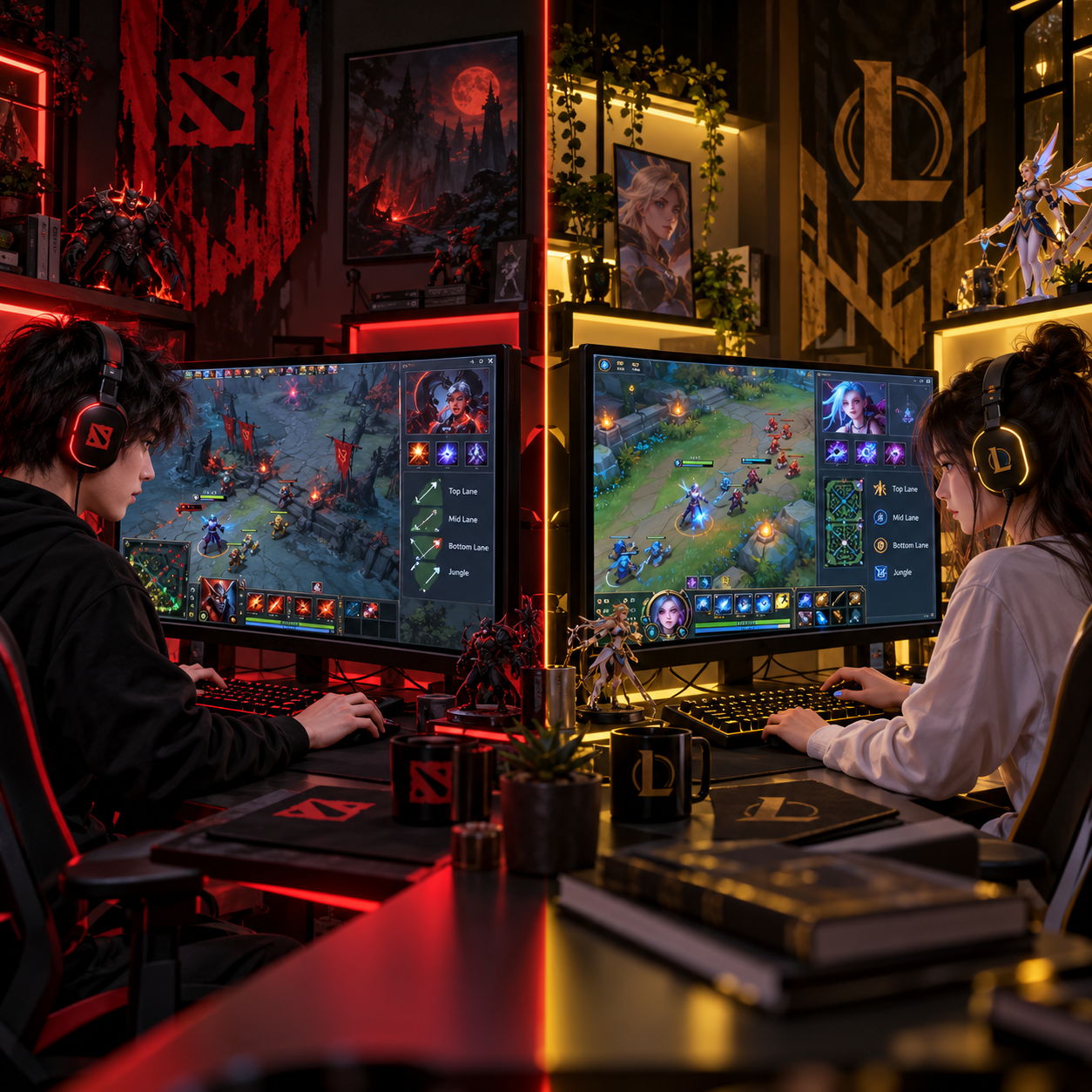
Every competitive title features core mechanics that separate casual players from ranked competitors. MOBAs revolve around last-hitting minions for gold and controlling map objectives like Roshan in Dota 2 or Baron Nashor in League of Legends.
Master these fundamentals before attempting advanced techniques.
Tactical shooters emphasize crosshair placement, recoil control, and economy management. Valorant and Counter-Strike 2 require players to understand buy rounds and eco rounds. Spend 30 minutes daily in aim trainers like Aim Lab to build muscle memory.
Fighting games demand frame data knowledge—understanding startup frames and recovery frames allows you to punish unsafe opponent moves. Practice combos in training mode until execution becomes automatic. Watch high-level replays to study spacing and timing.
Mobile e sport titles simplify controls but retain strategic depth. Mobile Legends requires map awareness to rotate between lanes and secure objectives. PUBG Mobile rewards positioning and inventory management.
Practicing in Ranked and Competitive Modes
Ranked systems assign skill ratings—MMR in Dota 2, LP in League of Legends, RR in Valorant—based on match performance. Most games require 10–50 unranked matches before unlocking competitive queues. Approach placement matches seriously; initial rank determines grind difficulty for the season.
Consistency beats marathon sessions. Three focused ranked games daily outperform eight-hour weekend binges—fatigue degrades decision-making after the third hour. Review replays of losses to identify recurring mistakes.
Specialization accelerates improvement in team games. Choose two roles and three heroes to master instead of random selection. One-tricking a single character builds deep matchup knowledge—you’ll recognize enemy cooldowns and predict combos instinctively.
Ranked anxiety affects many players entering competitive modes. Mute toxic teammates immediately—communication is valuable, but verbal abuse kills performance. Focus on controllable factors: map awareness and objective timers. Accept that 30% of games are unwinnable; maintaining 55% win rate suffices for steady climbing.
Joining Malaysian Esports Communities and Teams
Malaysia hosts active e-sport communities across multiple platforms. Facebook groups like “Malaysia Dota 2 Community” organize weekly scrimmages and share tournament announcements. Discord servers for specific games provide voice channels for squad formation.
Attend offline meetups and LAN events to network with players. Venues like Colosseum Cyber Cafe in Kuala Lumpur host open brackets where beginners compete alongside semi-pros. Introducing yourself at these events leads to team invitations.
Amateur teams typically require 10–15 hours weekly commitment. Clarify expectations during tryouts: some teams aim for monthly tournament placements, others prioritize casual improvement.
University e-sport clubs offer structured entry points. Institutions like Universiti Malaya and Taylor’s University field competitive rosters in national collegiate leagues. Joining a university team provides access to coaching staff and sponsored equipment.
Taking Part in Tournaments and Online Competitions
Malaysian e-sport calendars feature weekly online cups and monthly LAN finals. Platforms like Battlefy and Toornament host free-entry brackets for games including Valorant, Dota 2, and Mobile Legends. Prize pools range from RM 500 for community cups to RM 50,000+ for MPL MY playoffs.
Register early—popular tournaments fill brackets within hours. Confirm your squad’s availability for all match windows; no-shows result in disqualification. Prepare backup players for five-stack games. Verify tournament rules regarding hero bans and map pools before your first match.
Online tournaments demand technical preparation. Test voice communication 30 minutes pre-match. Screenshot lobby details and scoreboards—disputes require evidence. Record your perspective using OBS or built-in replay functions.
LAN tournaments amplify pressure through crowd noise and unfamiliar equipment. Arrive one hour early to test peripherals on provided PCs. Warm up your hands with stretches; cold fingers misclick during crucial teamfights.
Improving Skills Through Coaching and Match Analysis
Paid coaching accelerates improvement for dedicated players. Malaysian coaches charge RM 50–150 per hour, offering personalized replay reviews. Platforms like Gamer Sensei connect students with professional players. Invest in coaching once you plateau at a rank for 50+ games.
Free educational content abounds on YouTube and Twitch. Channels like GameLeap and ProGuides publish daily guides covering patch notes and meta shifts. Watch content at 1.5× speed to consume more information.
Replay analysis separates improving players from stagnant ones. Download your last five losses and watch from the opponent’s perspective—you’ll notice telegraphed movements and greedy positioning. Note timestamps of critical errors: deaths, missed objectives, wasted ultimates.
Scrimmages against stronger opponents provide measurable feedback. Losing to a higher-ranked team teaches more than stomping lower brackets. Request post-scrim reviews—experienced players often share advice if you ask respectfully.
Responsible Gaming and Healthy Play Habits
Competitive e sport demands significant time investment, risking physical and mental health without proper boundaries. Follow the 20-20-20 rule: every 20 minutes, look at an object 20 feet away for 20 seconds to reduce eye strain. Position your monitor’s brightness below ambient room lighting.
Set daily playtime limits before launching games. Three hours of focused ranked play outperforms six-hour sessions where the final matches involve autopilot decisions. Use tools like Cold Turkey to block game executables outside designated hours. Schedule rest days—professional teams practice five days weekly.
Recognize tilt and quit immediately when it appears. Losing three ranked games consecutively signals impaired judgment. Step away from the screen, perform push-ups, or take a walk. Return only when you can analyze the previous loss objectively.
Parents should verify age ratings for individual titles and monitor in-game spending on cosmetics. Set monthly budgets to prevent impulsive purchases that offer zero competitive advantage. Responsible gaming ensures long-term enjoyment without financial or health consequences.
FAQ
What is e sport and how does it differ from casual gaming?
E sport refers to organized competitive gaming where players compete in structured tournaments with defined rules, rankings, and often prize pools. Unlike casual gaming for entertainment, e-sport involves deliberate practice and strategic preparation. Competitive titles feature ranked ladders and professional leagues—examples include Dota 2, League of Legends, Valorant, and Mobile Legends.
How much does it cost to start competing in e sport Malaysia tournaments?
Entry costs vary by platform. Mobile e sport requires a capable smartphone (RM 1,000–2,000) and stable internet connection. PC gaming demands initial investment of RM 2,500–3,500 for a competitive rig, plus peripherals. Console setups cost RM 2,000–2,500 for the system plus controller. Most online tournaments charge zero entry fees; LAN events require RM 20–50 registration per player.
Which e-sport games have the largest communities in Malaysia?
Mobile Legends: Bang Bang dominates Malaysian e sport with over two million monthly active players and the official MPL MY league. Dota 2 and League of Legends maintain strong PC communities. Valorant grew rapidly since launch, hosting regular community tournaments. Street Fighter and Tekken unite the fighting game community at arcades and university clubs.
Do I need a team to compete in Malaysian e-sport tournaments?
Tournament requirements depend on the game. Team-based titles like Mobile Legends, Dota 2, and Valorant require full rosters—typically five players plus substitutes. Solo games including Street Fighter, Tekken, and StarCraft II allow individual registration. Many tournaments offer “looking for group” channels where solo players form temporary rosters.
How long does it take to reach competitive ranks in e sport titles?
Timeframes vary by game complexity. Mechanically simple games like Mobile Legends allow dedicated beginners to reach Epic rank within 200–300 matches, approximately three months of daily play. Complex MOBAs like Dota 2 require 500–1,000 hours to reach Ancient rank. Fighting games demand shorter time investment for basic competency—100 hours of focused training can reach intermediate ranks.
Are there age restrictions for competing in Malaysian e sport events?
Age requirements vary by tournament organizer. Most online community cups impose no restrictions beyond game publisher terms of service—typically 13+ with parental consent. Official leagues like MPL MY require participants to be 16 or older for main rosters. LAN events at venues may restrict entry to ages 16+ due to licensing regulations.
Can I earn money competing in e sport Malaysia without going professional?
Yes, semi-professional and amateur players earn through multiple channels. Monthly community tournaments offer RM 500–5,000 prize pools divided among top placements. Content creation via YouTube and Facebook Gaming monetizes gameplay through ad revenue. Coaching lower-ranked players charges RM 50–100 per session. Some organizations sponsor non-professional teams, covering tournament entry fees in exchange for brand representation.